
The NCAFP advocates for health policies that will improve the practice of Family Medicine in North Carolina. The NCAFP is a trusted partner with our legislature, state agencies, and health systems, advocating for policies to improve your work life and help you better care for your patients. We also advocate for Family Medicine at the federal level through the American Academy of Family Physicians.
There are plenty of ways you can participate, and all of them count!
Contact Greg Griggs at ggriggs@ncafp.com to participate in one of these opportunities!
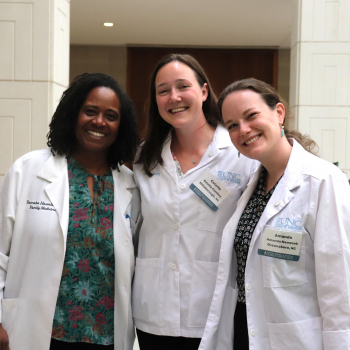
"The NCAFP helped it seem more possible and way less daunting to get involved in advocating for policies that impact my work."

“I’m not really a policy person, but I can see that it’s important to my practice that we’re here to talk with policymakers.”
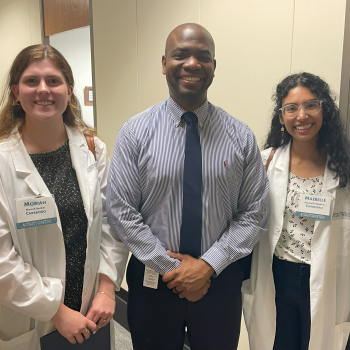
“It’s nice to see people getting involved for their communities.”
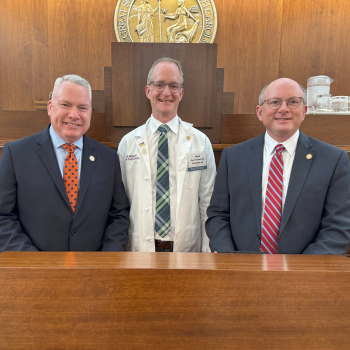
"As family physicians who build trust with our patients, we’re well positioned to form relationships with our lawmakers.”
Contact Greg Griggs at ggriggs@ncafp.com.
For more information on NCAFP advocacy, contact Shawn Parker at shawn@ncafp.com.
News:
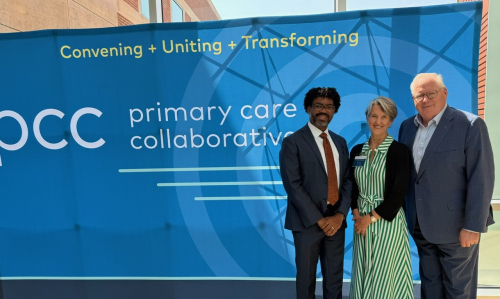
NCAFP Leaders Attend the NC Primary Care Collaborative
August 13, 2026
On Aug. 12, NCAFP leaders attended the Roundtable on Strengthening Primary Care in North Carolina in Durham to discuss how to best serve North Carolinian patients by strengthening primary care.
Read more
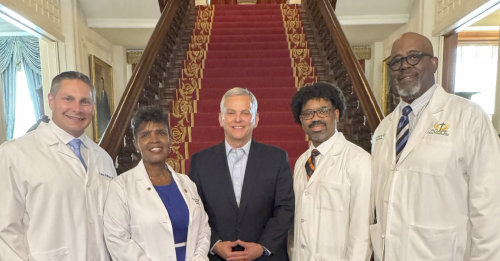
NCAFP Leaders Attend Budget Signing Ceremony at Governor’s Mansion
July 10, 2026
On July 7, NCAFP leaders attended the press conference where NC Governor Josh Stein signed the North Carolina state budget into law.
Read more
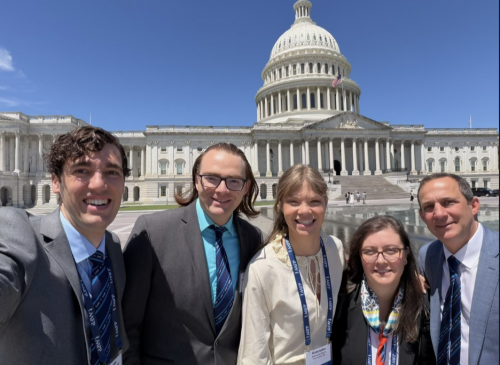
NCAFP Leaders Advocate for Payment Reform and Admin Burden Reduction at Family Medicine Advocacy Summit
June 18, 2026
Earlier this week, nearly 20 members of the NCAFP participated in the AAFP Family Medicine Advocacy Summit in Washington, DC to meet with the NC Congressional delegation about the importance of Family Medicine.
Read more
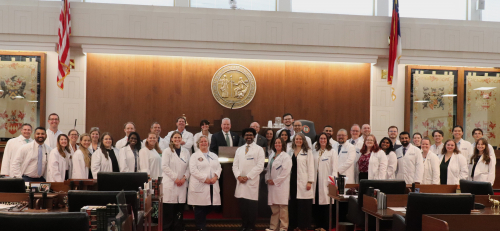
On May 20, the NCAFP brought over 60 members and staff to the North Carolina General Assembly to stress the need for increased investment in primary care, called for prior authorization reforms, and explained the need for additional scholarships or loan repayment options for primary care.
Read more

NCAFP Hosts First-Ever Advocacy and Policy Bootcamp with NC Residents
May 22, 2026
Beginning on May 19, 10 Family Medicine residents joined NCAFP staff to begin the inaugural Advocacy and Policy Bootcamp.
Read more
